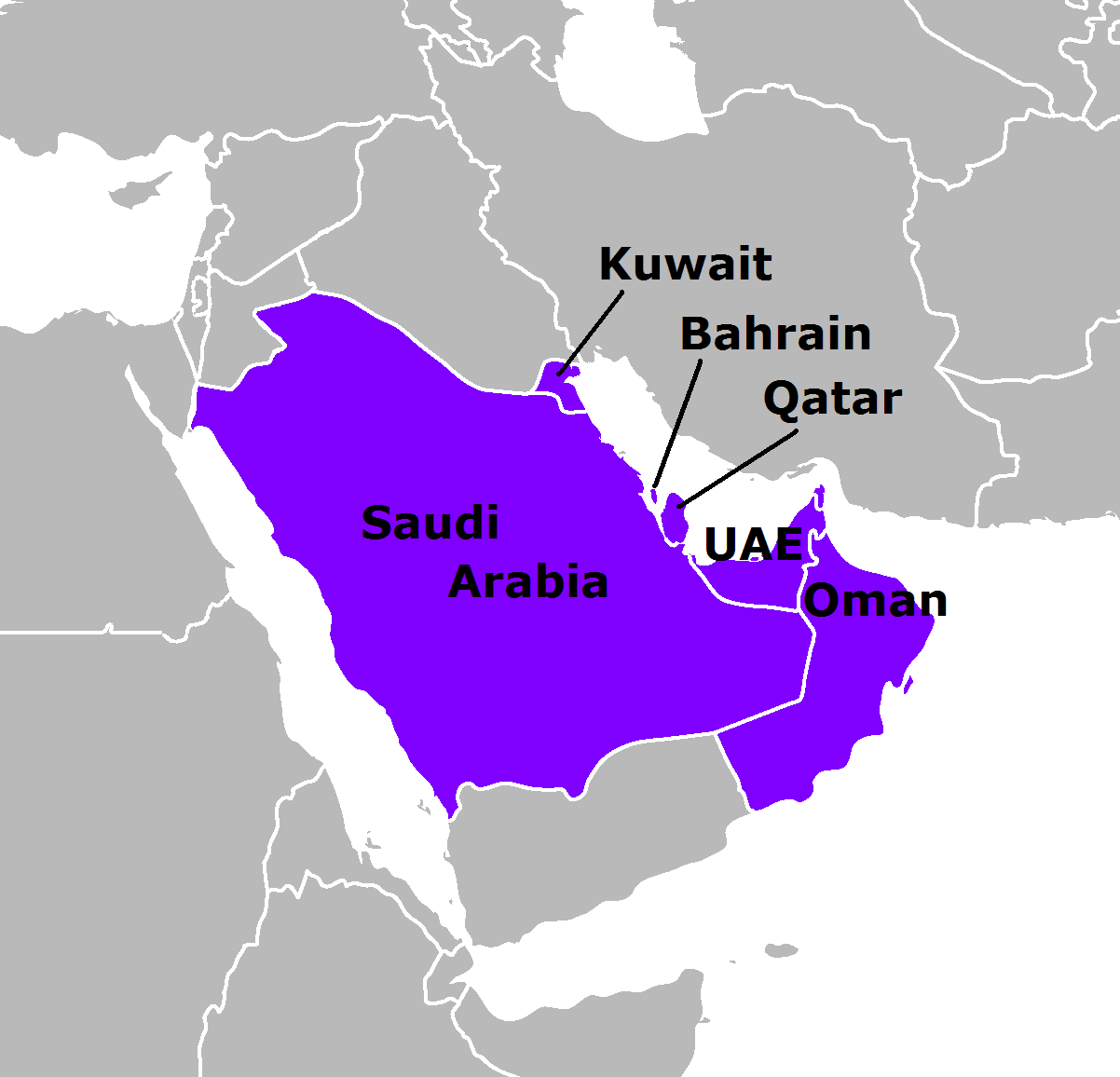
The Gulf may be plentiful in oil, but it is currently
lacking in food and water. The Gulf Co-operation Council (GCC), a political and
economic union of oil-rich consisting of Qatar, The United Arab Emirates,
Kuwait, Bahrain, Saudi Arabia, and Oman, recently stated that there is a
growing concerned about a shortage of vital resources including food and water.
These issues will only continue to get worse as the side-effects of climate
change worsen and the population continues to grow. In a recent water stress
index Qatar, Kuwait, and Saudi Arabia were rated as the three most water
stressed countries in the world. If these countries continue to rely on fossil
fuels as their main source of industry they will exacerbate these problems. As
these countries attempt to extract diminishing amounts of fossil fuels the need
for water will be intensified to keep up with production. These countries must begin to search for new
industries, so they can have more water-efficient economies. If these countries
do not take preventative action soon there will be dire consequences. These
countries will have to begin importing large quantities of food and water. This
will cause prices to skyrocket thus increasing poverty in these countries. Qatar
has announced that it is beginning a drive to achieve food sustainability. Qatar
will start this drive by converting 45,000 hectares of its own land into farms.
This is a great first step to reducing the costs of food in the region.
However, due to the incredible costs associated with desalinating sea water, a
new economic cornerstone needs to be established in the region in order to
avoid water wars.

